Praesidium Accreditation
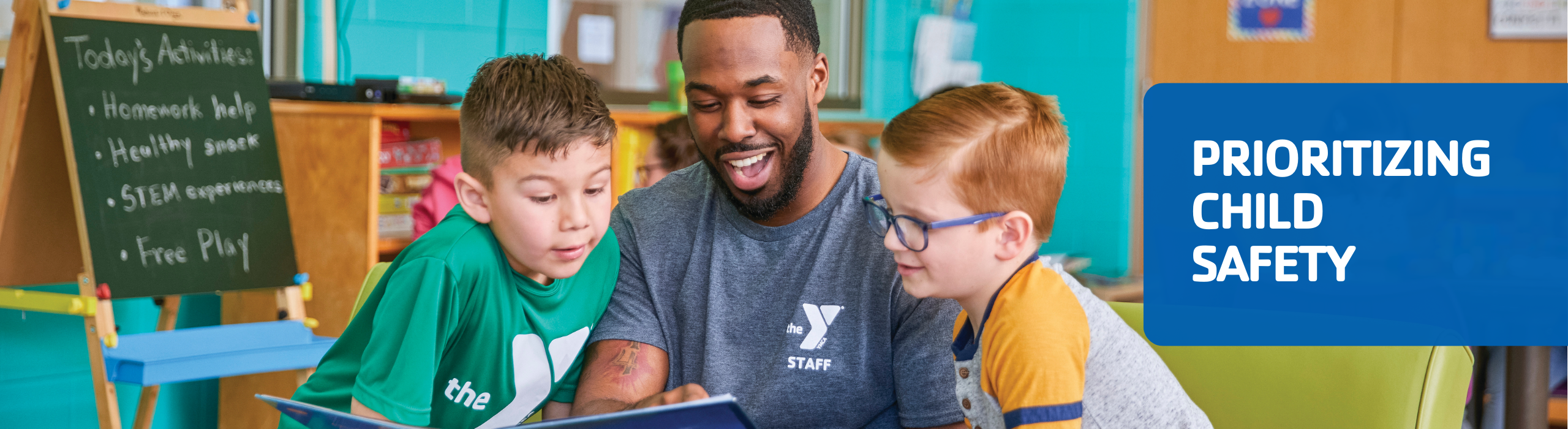
At the YMCA, nothing matters more than the safety and well-being of every child, family member, and individual we serve. That’s why we go beyond industry standards and are actively working to earn Praesidium Accreditation by Fall 2026—a nationally recognized leader in abuse prevention. Through enhanced policies, ongoing staff training and proactive safety protocols, we are strengthening a culture of safety at every level of our organization.
From certified staff and appropriate supervision to continuous training in youth development and safety, every detail is designed to create an environment where people feel secure, supported, and valued. Because when people feel safe, they can build confidence, form meaningful relationships, and discover their full potential—and that’s what we’re here for.
Report a Concern
The safety and well-being of every child is our highest priority. If you have a concern about possible abuse, neglect, inappropriate behavior, or a violation of YMCA Youth Protection policies, we encourage you to report it. If you have a reasonable concern that a child may be at risk, we encourage you to report it. This may include witnessing concerning behavior, observing boundary violations, or receiving a disclosure from a child. For the fastest response, report concerns directly to a program supervisor or Y leadership whenever possible. You may also submit a report online using our confidential reporting form. If a child is in immediate danger, call 911 immediately. If you believe a crime has occurred, report it to your local law enforcement agency. The YMCA will also make required reports to Child Protective Services and law enforcement in accordance with applicable laws and YMCA policy.
All reports are taken seriously and handled with care, confidentiality, and the highest commitment to youth safety and protection.
Submit a Youth Safety Concern Report

Praesidium Accreditation is an independent validation that the YMCA meets the highest standards in abuse prevention and safety. Through rigorous evaluation of our policies, training, and operations, this accreditation ensures we are actively protecting those we serve—so you can have confidence and peace of mind.
Safety in Action.
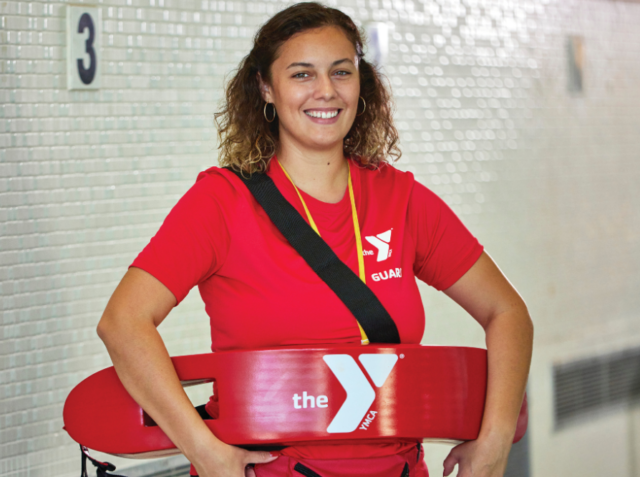
Every pool is supervised by certified lifeguards who are trained to prevent, recognize, and respond to emergencies. Their vigilance helps create a safe environment where swimmers of all ages can build confidence and enjoy the water.

To help maintain a safe environment for all, the YMCA conducts routine screenings of members using a national database. This proactive approach is one of the many ways we work to protect children, families, and individuals in our care.
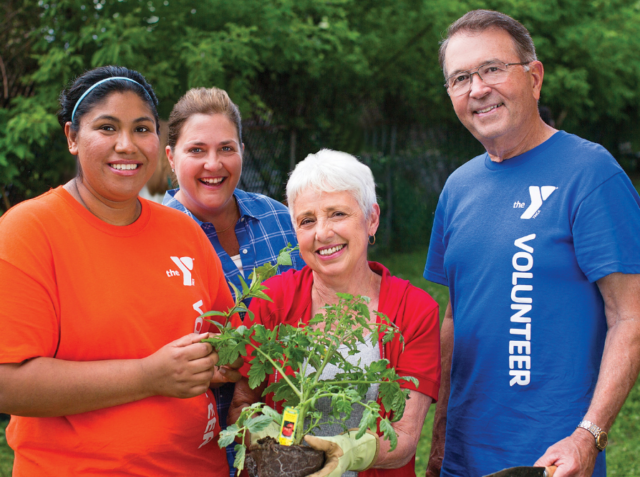
Every YMCA staff member and volunteer undergoes a comprehensive background check before working with us, with re-screening conducted regularly. We are committed to ensuring that every person serving our community meets the highest standards of safety and trust.
Safety is Everyone’s Responsibility.
Creating a safe, welcoming environment takes all of us. At the Y, we empower our staff, members, and families to play an active role in protecting one another by staying aware, speaking up, and taking action when something doesn’t feel right.

- KNOW
Understand our policies and learn to recognize appropriate boundaries. - SEE
Stay aware. Pay attention to behaviors and check in with your child regularly. - RESPOND
If you see warning signs or hear something concerning, report it immediately. - TRUST YOUR INSTINCTS
If something doesn’t feel right, don’t wait—speak up. Your voice matters.
Child abuse can take many different forms:
- Emotional abuse is the use of threats or words to harm a youth’s feelings and self-esteem and the withholding of love and support. Examples include ridiculing, rejecting, blaming or communicating unrealistic expectations.
- Physical abuse is the deliberate injury of a youth by any person, including by another youth.
- Sexual abuse is any sexual activity between an adult and a minor or between two minors when one exerts power over the other. It includes genital touching, inappropriate hugging or kissing, playing sexually-oriented games and sexual intercourse. It also includes non-contact acts such as exhibitionism, exposure to pornography, voyeurism, taking nude photos and communicating in a sexual manner by phone or internet.
- Child neglect is a form of abuse that occurs when a person responsible for the care of a youth fails to provide necessary food, clothing, medical care, education, affection, shelter or supervision.
Watch for these warning signs of abuse:
- Abrupt changes in behavior, anxiety, clinging, aggressiveness or withdrawal.
- Discomfort with physical contact.
- Fearfulness or depression.
- Abuse or bullying of other youth.
- Avoidance of a particular person or place, or refusing to go to a friend’s or relative’s home for no apparent reason.
- Sexual language or behavior that is not age appropriate.
- Unexplained bruises, welts, or burns.
- Unkempt or malnourished appearance.
- Disturbed sleeping or eating patterns.
- Sexually transmitted diseases and infections.
- Educate your youth about self-protection, including information about strangers and good and bad touches.
- Ask them often if anyone has said anything or done anything that has made them uncomfortable or feel bad.
- Learn to control the stress level of yourself and family members.
- Recognize the fact that most abuse happens by people that youth know and trust.
- Become aware of your community resources.
- Know where your youth are and who their friends are.
- Learn to recognize warning signs of child abuse.
- Teach your youth it’s not okay to keep secrets from you; that they can always tell you the truth.
Your reaction has a powerful influence on how your youth responds. Here’s a good way to respond:
Stay calm : Staying calm at a time like this will be very difficult for you. Avoid overreacting or expressing shock or outrage. Try not to cry.
Listen: Listen carefully to what your youth tells you. Your youth will be scared and may not give you many details. Ask questions like: “Can you tell me more about it?” “What did the person do?” “When did this happen?” or “How many times did this happen?”
Comfort your youth : Let your youth know that you love them very much and that they have done nothing wrong. A big hug can work wonders. Tell your youth that you believe them. Praise your youth’s courage for telling you. Don’t ask your youth why they didn’t tell you sooner—that will just make them feel guilty.
Don’t threaten or criticize the person who committed the abuse : Although this is a natural response, avoid criticizing the person your youth has identified as the abuser. Chances are, your youth knows the person well and may even care very much for the person.
Take action : Trust your instincts and keep your youth away from the person involved. If you think your youth is physically injured, seek appropriate medical attention.
Click on the links below to learn more about youth protection:
Educational videos for families, guardians and/or caregivers:
FREQUENTLY ASKED QUESTIONS
What are the requirements to volunteer?
All YMCA volunteers must have a clear background check and in the instances of coaches, they must also complete our online safety videos (which will be emailed to you once your volunteer application is complete).
Are staff or volunteers fingerprinted?
Staff who will have direct interaction with children or youth without a parent or guardian present (like child care teachers or afterschool directors) are fingerprinted annually.
How do you ensure a safe member environment?
To help maintain a safe environment for all, the YMCA conducts daily sex offender registry screenings using a national database. This ongoing, proactive process allows us to quickly identify and respond to potential concerns, reinforcing our commitment to protecting children, families, and every individual in our care.